Thinking about CRM software but worried about the price tag? You’re not alone. The real CRM software cost isn’t just about monthly fees—it’s hidden features, setup, and long-term value. Let’s break down what you’ll actually pay.
Understanding CRM Software Cost: What You’re Really Paying For

When businesses explore CRM software, the first question is almost always about price. But the true CRM software cost goes far beyond the sticker price. It includes licensing, implementation, training, customization, and ongoing support. Understanding this full picture is crucial to making a smart investment.

Licensing Models: Subscription vs. One-Time Fee
Most modern CRM platforms operate on a subscription-based model, typically billed monthly or annually per user. This pay-as-you-go approach lowers the entry barrier, making CRM accessible to small and medium-sized businesses. However, some legacy or on-premise systems still use a one-time perpetual license model, which can cost tens of thousands upfront.
- Subscription (SaaS): Most popular today; includes updates and support.
- Perpetual License: High initial cost but no recurring fees (rare).
- Hybrid Models: Some vendors offer on-premise software with annual maintenance fees.
According to Gartner, over 85% of new CRM deployments in 2023 were cloud-based, highlighting the dominance of subscription pricing.
Hidden Costs Often Overlooked
Many companies underestimate CRM software cost because they don’t account for hidden expenses. These can quickly add up and double your initial budget if not planned for.
- Implementation Services: Data migration, system configuration, and workflow setup.
- Training: Employee onboarding and ongoing learning resources.
- Integration: Connecting your CRM with email, marketing tools, or ERP systems.
- Custom Development: Tailoring dashboards, reports, or automation rules.
“The average company spends 1.5x to 2x the license cost on implementation and training alone.” — Nucleus Research
CRM Software Cost by Deployment Type: Cloud vs On-Premise
The deployment method significantly impacts the overall CRM software cost. Whether you choose cloud-based (SaaS) or on-premise CRM affects not only your budget but also scalability, maintenance, and security.
Cloud-Based CRM: Affordability and Scalability
Cloud CRM solutions like Salesforce, HubSpot, and Zoho are hosted on the vendor’s servers. You access them via a web browser, and the provider handles updates, backups, and security.
- Lower Upfront Costs: No need for servers or IT infrastructure.
- Flexible Scaling: Add or remove users easily as your team grows.
- Automatic Updates: Always have the latest features without extra cost.
For example, Salesforce Sales Cloud starts at $25/user/month, while Zoho CRM offers a free plan and paid tiers from $14/user/month.
On-Premise CRM: Control at a Higher Price
On-premise CRM systems are installed on your company’s own servers. This gives you full control over data and customization but comes with significant overhead.
- High Initial Investment: Licensing, hardware, and installation can exceed $50,000.
- Ongoing Maintenance: Requires dedicated IT staff for updates and troubleshooting.
- Longer Deployment Time: Implementation can take months, delaying ROI.
Vendors like Microsoft Dynamics 365 offer on-premise options, but even they are pushing customers toward cloud solutions due to lower TCO (Total Cost of Ownership).
CRM Software Cost by Vendor: A Comparative Breakdown
Not all CRM platforms are created equal—and neither are their pricing models. The CRM software cost varies widely depending on the vendor, features, and target market.
Salesforce: The Premium Leader
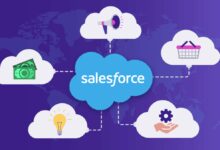
Salesforce dominates the CRM market with powerful automation, AI, and a vast app ecosystem. But its CRM software cost reflects its premium status.
- Sales Cloud Essentials: $25/user/month (basic sales automation).
- Professional Edition: $75/user/month (advanced reporting, workflows).
- Enterprise & Unlimited: $150–$300/user/month (full customization, API access).
Add-ons like Einstein AI or Marketing Cloud can push costs even higher. For a 50-person team on Enterprise, that’s over $90,000 annually—before implementation.
HubSpot: Free Entry, Premium Growth
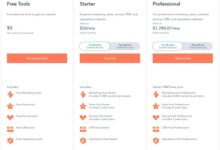
HubSpot is known for its freemium model, making it a favorite for startups and SMBs. Its CRM software cost starts at $0 but scales quickly with added features.
- Free CRM: Contact management, email tracking, basic automation.
- Starter Suite: $45/month for up to 1,000 contacts.
- Professional Plans: $800–$3,200/month depending on contacts and tools (Sales, Marketing, Service Hubs).
While the entry point is low, expanding into full marketing automation can make HubSpot one of the more expensive CRMs at scale.
Zoho CRM: Budget-Friendly Powerhouse
Zoho CRM offers exceptional value, especially for small businesses. It packs enterprise-grade features at a fraction of the cost of Salesforce or HubSpot.
- Free Plan: Up to 3 users, basic CRM functions.
- Standard: $14/user/month (sales automation, email integration).
- Professional: $23/user/month (workflow automation, custom functions).
- Enterprise: $40/user/month (advanced security, AI insights).
Zoho’s transparent pricing and modular add-ons (like Zia AI or Sales Signals) make it a top choice for cost-conscious teams. Learn more at Zoho CRM’s official site.
CRM Software Cost by Business Size: Tailoring the Investment
The ideal CRM software cost depends heavily on your company size. What works for a startup won’t suit an enterprise—and vice versa.
Small Businesses: Low-Cost, High-Value Solutions
For small businesses, minimizing CRM software cost while maximizing functionality is key. Many vendors offer scaled-down versions perfect for teams under 10 people.
- Free or Low-Cost Tiers: HubSpot, Zoho, and Insightly offer free plans.
- Essential Features: Contact management, task tracking, email integration.
- Self-Service Setup: Avoid costly consultants with intuitive interfaces.
A small team of 5 using Zoho CRM Standard pays just $70/month—under $1,000/year. That’s a fraction of enterprise CRM costs.
Mid-Sized Companies: Balancing Features and Budget
As teams grow, so do CRM needs. Mid-sized businesses (10–200 employees) often need automation, reporting, and integration capabilities without enterprise-level complexity.
- Mid-Tier Plans: Salesforce Professional, HubSpot Professional, or Zoho Enterprise.
- Integration Needs: Sync with accounting, marketing, and support tools.
- Customization: Tailor pipelines, dashboards, and approval workflows.
For a 50-person sales and marketing team, CRM software cost typically ranges from $3,000 to $10,000 annually, depending on the platform and add-ons.
Enterprises: Total Cost of Ownership Matters Most
For large organizations, CRM software cost isn’t just about per-user pricing. It’s about total cost of ownership (TCO), including implementation, training, integration, and support.
- Enterprise Licensing: Often negotiated annually with volume discounts.
- Professional Services: Consulting firms may charge $100,000+ for deployment.
- Dedicated Support: SLAs, 24/7 help desks, and on-site training.
A Fortune 500 company implementing Salesforce Enterprise might spend $500,000+ in the first year. But when spread across thousands of users, the per-user cost can still be justified by ROI in sales efficiency.
Factors That Influence CRM Software Cost
Several variables affect how much you’ll pay for CRM software. Understanding these can help you negotiate better deals and avoid surprise expenses.
Number of Users and Pricing Tiers
Most CRM vendors charge per user, per month. But pricing tiers often unlock features only available at higher levels, forcing you to pay more even if you don’t need all the extras.
- Per-User Pricing: Scales linearly—more users, higher cost.
- Tiered Features: Advanced analytics or automation may require upgrading entire teams.
- Minimum Seats: Some vendors require a minimum of 5 or 10 users.
For example, switching from Zoho’s Standard ($14) to Professional ($23) for 20 users adds $180/month—over $2,000/year—just for workflow automation.
Feature Set and Module Add-Ons
CRMs often split functionality into modules: Sales, Marketing, Service, Analytics. You may need to pay extra for each.
- Sales Automation: Lead scoring, pipeline management.
- Marketing Hub: Email campaigns, landing pages, social media.
- Customer Service: Ticketing, knowledge base, live chat.
- AI & Analytics: Predictive insights, forecasting, sentiment analysis.
HubSpot’s Marketing Hub starts at $18/user/month, but the full suite with Service and Operations Hubs can exceed $100/user/month.
Integration and API Access
Connecting your CRM to other tools (like Slack, Shopify, or QuickBooks) often requires API access, which may be limited in lower tiers.
- Basic Integrations: Often included (e.g., Gmail, Outlook).
- Advanced APIs: Available only in higher plans or at extra cost.
- Third-Party Connectors: Tools like Zapier may add $20–$100/month.
For businesses relying on automation, restricted API access can severely limit ROI, making higher-tier plans necessary despite the CRM software cost.
Implementation and Training Costs: The Silent Budget Killers
Many companies focus only on subscription fees, forgetting that implementation and training can double the CRM software cost. These are not optional—they’re essential for adoption and success.
Implementation: From Data Migration to Workflow Setup
Getting your CRM live involves several steps, each with potential costs.
- Data Migration: Transferring contacts, deals, and history from old systems.
- Customization: Building pipelines, stages, and approval rules.
- Testing: Ensuring workflows function before rollout.
While some vendors offer free setup (like HubSpot), complex migrations may require consultants charging $100–$200/hour. A full implementation can take 40–100 hours, adding $5,000–$15,000 to your bill.
Training: Ensuring User Adoption
Even the best CRM fails if employees don’t use it. Training ensures smooth adoption and maximizes ROI.
- Onboarding Sessions: Live or recorded training for different teams.
- User Guides & Videos: Ongoing support materials.
- Admin Training: For internal CRM champions who manage the system.
Internal training might cost nothing, but hiring a certified trainer can add $1,000–$5,000. According to Capterra, companies that invest in training see 3x higher user adoption rates.
ROI of CRM: Is the Software Cost Worth It?
The real question isn’t just how much CRM software costs—but what it gives back. A high CRM software cost can be justified if it drives revenue, improves customer satisfaction, and boosts efficiency.
Measuring Financial Return
CRM ROI is measured in increased sales, reduced operational costs, and faster deal cycles.
- Sales Growth: Nucleus Research found CRM delivers $8.71 for every $1 spent.
- Productivity Gains: Sales reps save 4+ hours per week on admin tasks.
- Customer Retention: Improved service leads to higher lifetime value.
For example, a $10,000/year CRM investment that helps close 5 extra deals worth $10,000 each delivers $50,000 in revenue—a 400% ROI.
Non-Financial Benefits
Beyond dollars, CRM improves team collaboration, data accuracy, and strategic decision-making.
- Centralized Data: Everyone accesses the same customer information.
- Automated Workflows: Reduces manual errors and follow-up delays.
- Better Forecasting: Real-time dashboards improve sales predictions.
“Companies using CRM report a 29% increase in sales performance.” — Salesforce State of Sales Report
These intangible benefits compound over time, making CRM one of the highest-impact investments a business can make.
How to Reduce CRM Software Cost Without Sacrificing Value
You don’t need to overspend to get a powerful CRM. With smart planning, you can minimize CRM software cost while maximizing functionality.
Start Small and Scale Gradually
Begin with a basic plan and add features as needed. This prevents overpaying for unused tools.
- Use Free Tiers: Test HubSpot or Zoho before upgrading.
- Limit Initial Users: Roll out to sales team first, then expand.
- Phase Features: Add marketing automation later.
This approach keeps initial costs low and allows teams to adapt before scaling.
Negotiate with Vendors
Many CRM vendors are open to negotiation, especially for annual commitments or large teams.
- Ask for Discounts: 10–20% off for annual billing.
- Bundle Services: Include training or migration in the deal.
- Compare Quotes: Use competing offers to leverage better terms.
For enterprise deals, hiring a procurement specialist can save tens of thousands.
Leverage Open Source or Low-Cost Alternatives
If budget is tight, consider open-source CRM platforms like SuiteCRM or EspoCRM.
- Zero Licensing Fees: Free to download and use.
- High Customization: Full control over code and features.
- Community Support: Free forums and plugins available.
The trade-off is higher technical skill required for setup and maintenance. But for tech-savvy teams, it’s a way to slash CRM software cost dramatically.
What is the average CRM software cost for a small business?
The average CRM software cost for a small business (1–10 users) ranges from $0 to $150/month. Free options like HubSpot CRM or Zoho CRM Free are ideal for startups, while paid plans like Zoho Standard ($14/user/month) or Salesforce Essentials ($25/user/month) offer more features.
Does CRM software cost include implementation?
No, most CRM software costs do not include implementation. Vendors typically charge extra for setup, data migration, and training. These services can cost 1.5x to 2x the annual license fee, especially for complex deployments.
Which CRM has the lowest total cost of ownership?
Zoho CRM generally has the lowest total cost of ownership, especially for small to mid-sized businesses. Its free plan, low per-user pricing, and bundled features reduce both upfront and ongoing expenses compared to Salesforce or HubSpot.
Can I negotiate CRM pricing with vendors?
Yes, CRM pricing is often negotiable, especially for annual contracts, multi-year deals, or large user counts. Vendors like Salesforce, HubSpot, and Zoho may offer discounts, waived setup fees, or included training when you commit long-term.
Are there hidden costs in CRM software?
Yes, common hidden costs include data migration, user training, integration fees, custom development, and premium support. Always ask for a detailed breakdown of all potential expenses before signing a contract.
Understanding CRM software cost is about more than just monthly fees. It’s about seeing the full picture: licensing, implementation, training, and long-term value. Whether you’re a startup or an enterprise, the right CRM can deliver massive ROI—if you choose wisely. By comparing vendors, negotiating deals, and planning for hidden costs, you can find a solution that fits your budget and drives real business growth. The most expensive CRM isn’t always the best, and the cheapest isn’t always the winner. It’s about value, fit, and strategic alignment.
Further Reading:
